Guides
How Toronto tire shops price and insure winter tire storage
Toronto tire shops price winter storage by season, monthly rate or bundled swap, while Ontario fire code, insurance and city licensing set the rules.
What to take away
- Toronto shops commonly quote $80 to $140 per season for a set of four, or $15 to $25 per tire per month, with a discount when storage is bundled into the changeover.
- Where tires sit decides your fire exposuredistance from exits and ignition sources, aisle width, and detection or suppression over the rack.
- Disclose the storage operation to your broker in writing and get the coverage endorsed, or a property claim can be refused.
- Toronto Municipal Licensing and Standards licenses motor vehicle repair shops, and tire work sits inside that licence.
- Every set needs a tag, a rack location and a signed agreement that names the pickup deadline and the disposal path.
Storage pricing models Toronto shops actually use
Toronto holds the largest vehicle fleet in Canada and the densest cluster of independent tire shops. That competition pushes storage toward simple, quotable numbers. Four models cover most of the market.
Flat seasonal rate. One price from the fall swap to the spring swap, commonly $80 to $140 for a set of four. Easy to quote, easy for a customer to compare against the shop down the street.
Monthly per tire. Charged per tire per month, often $15 to $25. It suits customers who keep a second set in storage year round or who miss the spring pickup.
Bundled with the changeover. Storage is folded into the mount and balance price. The customer sees one line, and you lock in the swap appointment before the October rush.
Tiered by size. Light truck and SUV sets, run-flats and oversized wheels sit in a higher tier because they eat more rack space and take longer to handle.
Storage pricing models compared
Flat seasonal
- Typical GTA range
- $80-$140 per set
- Best for
- Most passenger cars
- Billing basis
- Per set
Monthly per tire
- Typical GTA range
- $15-$25 per tire
- Best for
- Year-round storage
- Billing basis
- Per tire per month
Bundled changeover
- Typical GTA range
- Included in service
- Best for
- Booking speed
- Billing basis
- One line
Tiered by size
- Typical GTA range
- Higher for truck/SUV
- Best for
- Mixed fleets
- Billing basis
- By size tier
Publish the terms with the price. The Competition Bureau expects advertised prices to be accurate and not misleading, so a headline rate that hides a mandatory handling fee invites a complaint. For how storage sits in your wider price list, see tire shop pricing.
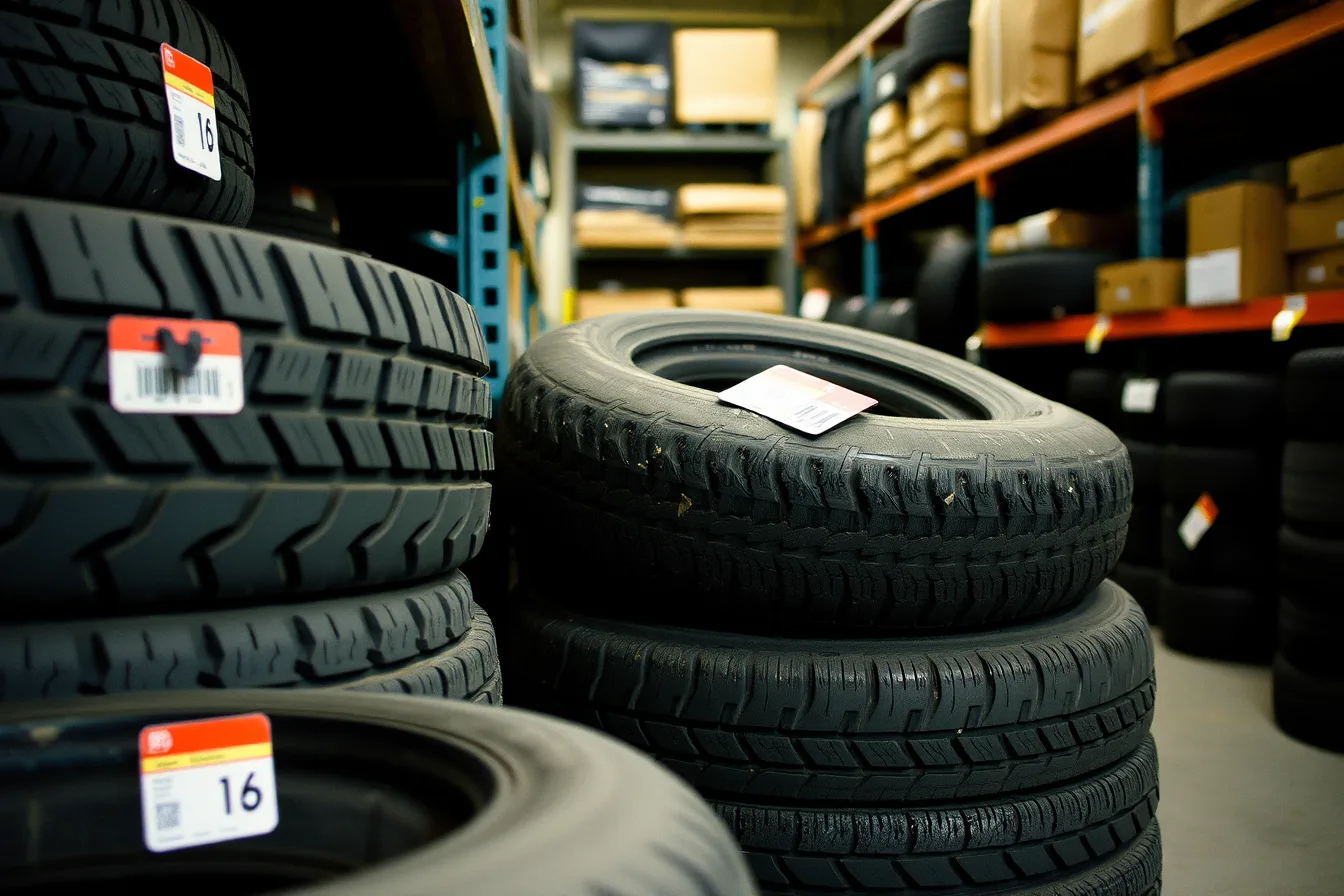
Rack positions set your real ceiling. Count them before you sell another season. A shop that oversells storage stacks tires in aisles, which is both a fire problem and a brake on bay cycle time.
Ontario fire and insurance requirements for stored tires
Stacked rubber burns hot and smokes densely, so fire prevention and your commercial insurer both look at where the tires sit.
Keep storage clear of exits, stairwells and ignition sources. Maintain aisle width for staff and firefighting access, and cap the volume in any one area. Some occupancies need detection or suppression over the rack itself.
Confirm the specifics with your local fire prevention office and your broker. Both depend on your building, your racking and the quantity you hold. Ontario's e-Laws regulation 900613 covers tire standards and safety requirements that shops must follow.
A standard commercial property policy may exclude or limit tires stored outdoors or in temporary structures. Disclose the operation in writing and ask for an endorsement. For the exposures a policy has to answer, see tire shop business insurance.
Handling is the other half. Ontario employer duties under the Occupational Health and Safety Act require you to assess hazards, train workers and provide safe lifting practices.
A full set of tires is heavy and awkward, and manual handling is a common claim in this trade. The province's Guide to the Occupational Health and Safety Act sets out that general duty framework.
Labelling, tracking and liability for customer tires
Every set that enters your rack carries a tag with a unique number, the customer's name and phone number, the vehicle, the date received and the promised pickup date. The tag goes on the set, and the number goes into your system.
A workable intake process:
Labelling, tracking and liability
- Inspect each tire and record tread depth, damage and any existing repair.
- Photograph the set and the tag before it goes on the rack.
- Record the rack location so any staff member can find it in the spring rush.
- Give the customer a copy of the tag and the storage terms.
- Set the pickup reminder in your booking system.
That record settles a claim that a tire was damaged or swapped, and it shortens the spring queue.
Customer records are personal information. Under PIPEDA you collect only what you need, keep it secure, and destroy it when it is no longer required. The Office of the Privacy Commissioner of Canada publishes privacy guidance for businesses that covers customer data in storage records.
State plainly that you are not responsible for normal wear, prior damage or defects in customer-supplied tires, and that you will not store tires that are unsafe or contaminated. Give the customer a copy.
Handling unclaimed tires after the swap season
Every spring some customers do not come back. Unclaimed sets tie up rack space and raise a liability question, so write the policy before the season opens.
Unclaimed tire notice timeline
- Pickup dateSend first reminder
- 14 days afterSecond notice by text and email
- 30 days afterRegistered letter with charges and disposal date
- After grace periodMove to registered recycling and record disposal
Scrapping a customer's tires without notice invites a small claims action and a bad review. The agreement should name the abandonment date, the notice method and what happens to the tires. If a balance is owed, follow Ontario's rules for liens and sale of goods rather than treating the tires as yours.
Confirm the current Ontario collector or processor in your area before you promise recycling to a customer. The used tire program has changed since the old Tire Stewardship model.
Municipal licensing duties for Toronto tire and repair shops
Toronto Municipal Licensing and Standards licenses motor vehicle repair shops, and tire work falls within that scope. Hold the licence before you operate and keep it current. The city's 311 Toronto business licensing page sets out the requirements.
Beyond the licence, check zoning for outdoor storage, waste rules for scrap tires, signage limits, and your Canada Revenue Agency business number for GST/HST. Outdoor storage also draws the property standards bylaw and fire separation rules.
Keep the licence, the insurance certificate and the storage terms available for inspection. A clean licensing file helps when you renew a lease or apply for commercial coverage. For the routines that keep a shop compliant day to day, see the tire shop sop checklist.
What to put in the storage agreement
A one-page agreement prevents most disputes. Sign it at intake and hand the customer a copy.
Storage agreement checklist
- Customer name, phone, email and vehicle
- Tire description, quantity, size and condition
- Storage term start and end dates
- Fee, payment timing and late charges
- Liability limits and exclusions
- Abandonment date and notice method
- Disposal or recycling process and charge
- Consent for contact and data handling
- Customer name, phone, email and vehicle details
- Tire description, quantity, size and condition at intake
- Storage term start and end dates
- Fee, payment timing and late charges
- Liability limits and exclusions
- Abandonment date and notice method
- Disposal or recycling process and any charge
- Consent for contact and how data is handled
The agreement should state that the customer must collect by the stated date, that storage past it is charged at the published rate, and that the shop may dispose of unclaimed tires after notice. Keep the language readable. A customer who understands the terms argues less.
Sell storage as part of a clear offer rather than a line item bolted onto the invoice. For how to structure that offer, see tire shop services packages.
Finally, write storage into your documented workflow. A procedure for intake, tagging, racking, reminders and disposal keeps the operation consistent and insurable. The tire shop operations questions that matter start with who owns each step.
Common questions
How much should I charge for winter tire storage in Toronto?
Most GTA shops charge $80 to $140 per season for a set of four, or $15 to $25 per tire per month. Bundling storage into the changeover price is common and secures the swap booking.
Do I need a special licence to store customer tires in Toronto?
Tire work falls under the motor vehicle repair shop licence issued by Toronto Municipal Licensing and Standards. Check zoning and fire separation rules if you store tires outdoors or in a separate structure.
What happens if a customer never picks up their tires?
Your agreement should set a pickup deadline, a notice process and a disposal date. Send reminders, then a registered letter, then dispose through a registered recycling stream and record it.
Does PIPEDA apply to my tire storage records?
Yes. Customer names, phone numbers and vehicle details are personal information. Collect only what you need, keep it secure, and destroy it when it is no longer required.
Can my insurance deny a claim because of stored tires?
It can if the storage exposure was not disclosed or if the storage violates fire code. Disclose the operation and have the coverage endorsed.